-
Appreciating the deeply unsatisfactory
‘Most pupils end up as artistic illiterates’ and ‘arts education … cannot produce creative pupils in the proper sense of the term’. What is the proper sense of the term ‘creative’? And why does music and art in schools prevent proper creativity? Is a realistic expectation only to cultivate appreciation in the arts and should…
-
My professional body
I never imagined I would complete fifteen years of teaching. I never imagined I would do fifteen years of anything and when I was half-way through my MMus I was set on going immediately into a PhD. My brother-in-law was teaching at a boarding school during my MMus year and my sister told me about…
-
The meaning of curriculum process
Whilst the kitchen is being removed from my home (and a new one is gradually installed) I started to notice some of the books I had forgotten I had. Dennis Child’s ‘Psychology and the Teacher’ (2007) caught my eye (partly because of how thick the book is). ‘The word curriculum is on everyone’s lips these…
-
Developing composing through talk
Developing composing through talk: Does the use of a ‘composing talk tally’ in the KS3 Music classroom improve the quality of creative response? Below is my research project I submitted (with some elements removed) for the Chartered Teacher Programme and it was very small scale study that sought to see if I could influence creative…
-
Creating Significant Learning Experiences
After an enjoyable year of professional development (that included the RSA Evidence Champions Network, Chartered College of Teaching Chartered Teacher Programme and the King’s Academy Learning and Teaching Programme) I thought I would start to revise some of the reading that was required and reflect as I look ahead to my professional development plans for…
-
Should we question our beliefs in the arts?
The ‘transformative power’ of the arts: History of an idea by Eleanora Belfiore is an interesting read in The Routledge International Handbook of Creative Learning. Belfiore highlights the claims many of us are guilty of making that ‘being involved with the arts can have a lasting and transforming effect on many aspects of people’s lives……
-
Making time for music
We can find a justification for music as an important part of human development right back to Plato. In the Middle Ages, music continued to be seen as a tool for the ‘formation of the adult who would best fulfill those functions expected of him or her by the society of which he was a…
-
Extending music beyond the classroom: MusicFirst
City of London School for Girls provides students and staff with iPads, and all departments are encouraged to explore how best to integrate the use of mobile technology into the classroom. The music department has adopted the MusicFirst Classroom – an online platform where students can access cloud-based software and create a portfolio of work…
-
Hitting the right notes: improving teaching practice
Guest blog from Dr Steven Berryman, Director of Music at City of London School for Girls and Visiting Research Fellow at King’s College London. Also, Founding Fellow of the Chartered College of Teaching. Published 18/1/19 on IRIS Connect https://blog.irisconnect.com/uk/hitting-the-right-notes-improving-teaching-practice-with-the-chartered-teacher-programme As a musician, practice is part of daily life. Or I tell my pupils that it is.…
-
Research-informed music teaching
Guest blog post for Music Education UK – January 2019 https://musiceducation.global/research-informed-music-teaching/ Being a research-informed teacher is increasingly the norm. Social media allows us to engage with colleagues from across the globe, engage in debate about best practice, share teaching approaches and discover new resources. Social media also allows us to engage with academics and researchers…
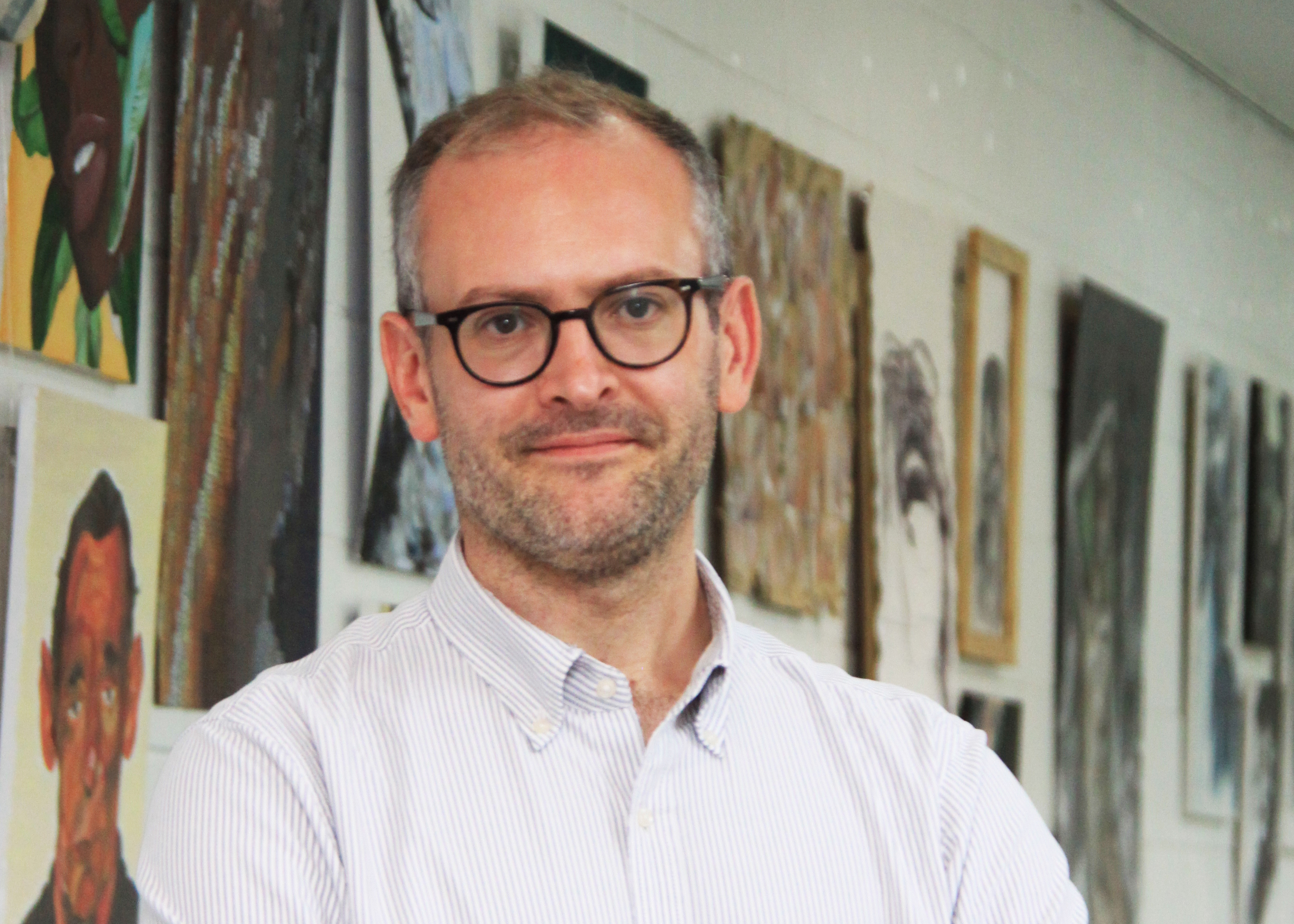
 Steven Berryman